Why Wet Rocks Look Better: A Rockhound's Guide to Hunting After Rain
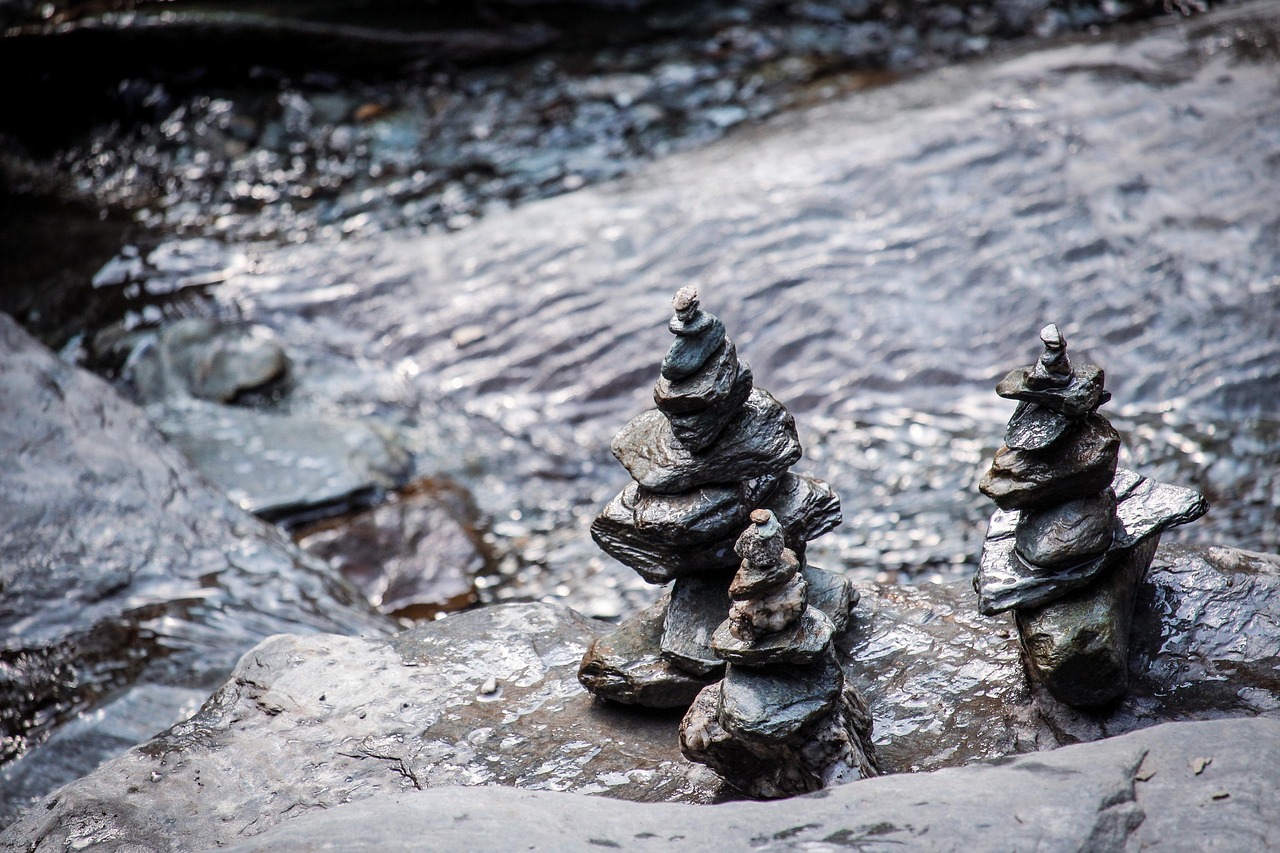
Every experienced rockhound has a favorite weather window, and for a lot of us, it's the day after rain. There's a real reason for that. Wet rocks show their colors in a way dry rocks simply can't. The thin film of water on the surface reduces light scattering, saturates the color, and makes patterns pop that would otherwise blend into the background. A jasper that looks like dull brown dirt when dry can glow deep red when wet. An agate that seemed unremarkable suddenly shows banding and translucency.
This isn't just a visual trick. Rain also does physical work. It washes dust and soil off exposed rocks, exposes new material in creek beds, and sometimes loosens specimens from soft matrix. A heavy rain can turn a mediocre gravel bar into a fresh hunting ground overnight.
Planning Your Post-Rain Hike
Timing matters. You want the ground damp but not flooded, and you want the sky clear enough to see what you're doing. The sweet spot is usually a few hours after the rain stops, or the morning after an evening storm. Creeks and rivers are especially productive because the water level drops and leaves freshly washed gravel behind. But use common sense. Don't hike into a canyon during active rain or when flash flooding is possible. Wet ground means slippery slopes, so bring trekking poles and wear shoes with real grip.
Bring a spray bottle of water with you. Even on a dry day, you can wet suspicious rocks to check their true color. Some rockhounds carry a small squirt bottle specifically for this, and it's one of the cheapest upgrades you can make to your kit. A quick spray can save you from hauling home a rock that turns out to be plain when it dries.
What to Look For When Everything Is Wet
Wet conditions change what stands out. Translucent stones like agates and chalcedony become easier to spot because light passes through the wet surface differently. Jasper and chert show richer color. Quartz crystals sparkle more obviously. Petrified wood often reveals grain patterns that are invisible when dry. Even fossils can be easier to spot because the contrast between fossil and matrix increases.
One caution: wet rocks can be deceiving in the other direction too. A dull gray rock that looks promising when wet might dry out to something completely ordinary. If you're unsure, pocket it, take it home, and check it once it's dry. There's no harm in a small maybe-rock in your pack.
The post-rain hike is a habit worth building. It changes the hike itself too. Trails are quieter, the air smells like soil and stone, and the light tends to be softer. Even if you find nothing worth keeping, you've spent a few hours in the best conditions the outdoors has to offer. For rockhounds, that's a pretty good trade.