Leave No Trace Rockhounding: Collecting Responsibly on Public Lands
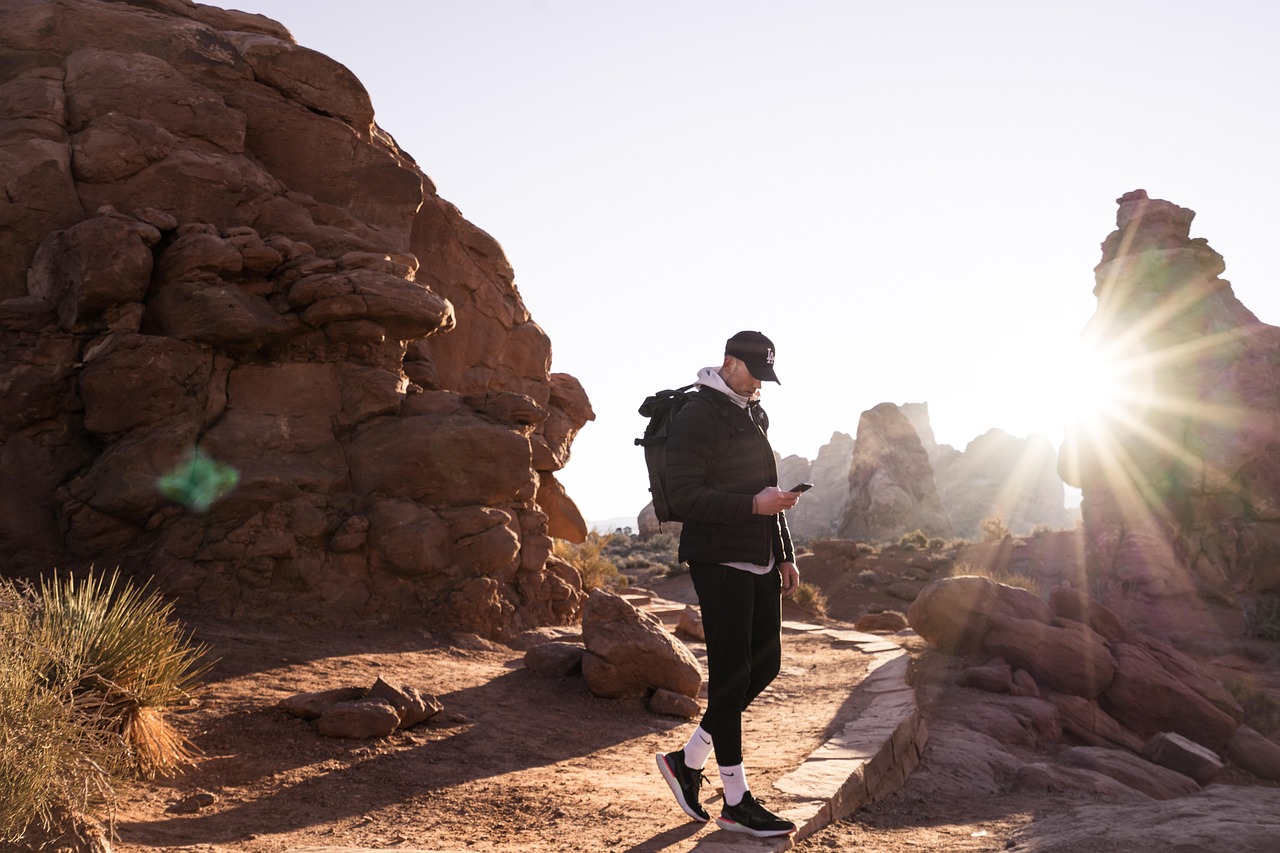
Rockhounding and hiking share a natural partnership. You're already out there, already scanning the ground, already curious about what's under your feet. But collecting stones comes with responsibility, and the difference between a thoughtful rockhound and a destructive one often comes down to a few small decisions made on the trail.
The core principle is simple: take a little, leave a lot. Public lands are shared resources, and the rocks, minerals, and fossils on them belong to everyone. That doesn't mean you can never pocket a pretty pebble, but it does mean you should think about scale, location, and impact before you do.
Know the Rules Before You Fill Your Pockets
Different lands have wildly different rules, and it pays to check before you go. National parks and national monuments almost universally prohibit removing rocks, minerals, plants, and fossils. National forests and BLM lands in the United States often allow casual collecting of common rocks and minerals for personal use, usually with a weight limit per person per day. State parks vary enormously, and some have strict no-collecting policies while others permit limited rockhounding in designated areas.
Private land is another matter entirely. Never collect without explicit permission from the landowner, even if the land looks unused. And if you're on tribal land, respect tribal sovereignty and specific rules, which may differ from any surrounding public land.
Beyond legality, there's the question of ecological impact. Some rocks and minerals are part of fragile habitats. Certain desert formations shelter small animals, and mineral-rich soils support specialized plants. Digging into a slope can trigger erosion that lasts for years. If you're collecting, stick to surface finds where possible and avoid digging into banks, cliffs, or vegetated areas.
Practical Habits for Ethical Collecting
Start by setting a personal limit. Many rockhounds follow a rule like "one or two specimens per trip, and only if they're exceptional." That keeps your pack light and your impact small. Photograph the rest. A good photo of a beautiful specimen in its natural setting often tells a better story than a dusty rock on a shelf.
When you do collect, fill any holes you make. If you've dug into a gravel bar or moved rocks to look underneath, put things back roughly as you found them. Avoid hammering or chiseling into bedrock or formations that other visitors come to see. And never break apart a feature that's clearly part of the landscape's character, like a prominent outcrop or a fossil bed.
Leave the rarest things alone. If you find something unusual, like a large crystal, a distinctive fossil, or a mineral that seems out of place, consider reporting it to a local geology club or land manager rather than pocketing it. These finds have scientific and educational value that a personal collection can't match.
Finally, pack out everything you bring in. That includes snack wrappers, broken tools, and any trash you find along the way. Rockhounds have a reputation for being some of the most conscientious trail users, and it's worth protecting. The stones will still be there for the next hiker if we all treat the land like it matters. Because it does.