Packing for a Rockhounding Hike: Gear That Earns Its Weight
Rockhounding and backpacking have a fundamental tension: rocks are heavy. A pocket full of agates can add several pounds to your pack before you notice, and by mile eight you'll feel every ounce. The trick is to build a kit that helps you find and carry stones without turning a pleasant hike into a slog.
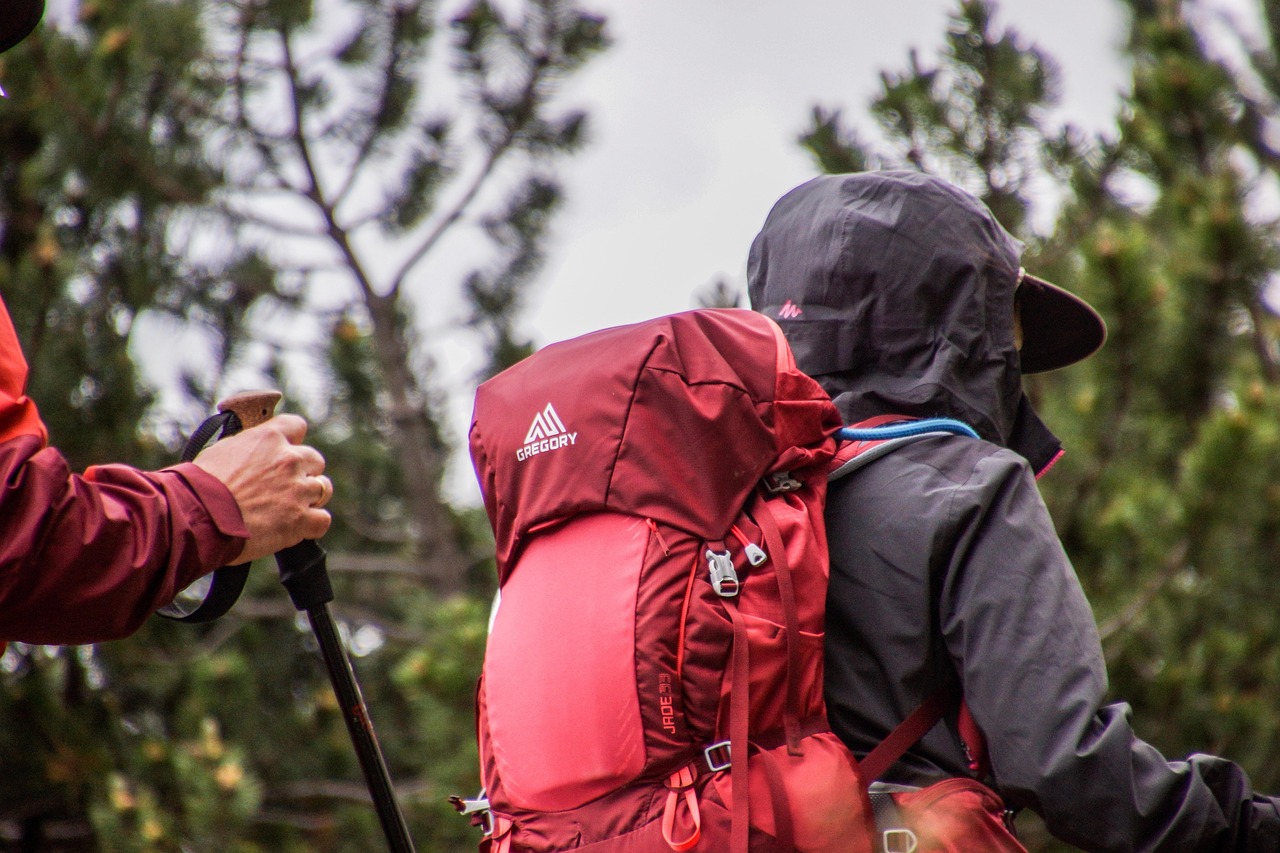
Start with the pack itself. A daypack in the 20 to 30 liter range works well for most trips, with a padded hip belt to transfer weight off your shoulders. If you know you'll be carrying more than a few pounds of rock, consider a pack with a framesheet or internal frame. External pockets are handy for quick-access tools, and a bottom compartment keeps dirty or wet items away from your layers.
The Core Rockhounding Kit
Your identification tools should be small and light. A 10x jeweler's loupe weighs almost nothing and lets you inspect crystal structure and banding up close. A small spray bottle, refillable and about the size of a travel shampoo, reveals color and pattern on dry stones. A short ruler or a card with a centimeter scale helps you note specimen size, and a small notebook or phone note app keeps track of where you found things.
For collecting, bring a few soft cloth bags or padded pouches rather than one big sack. Wrapping each specimen separately prevents scratches and chips, especially on softer minerals. A lightweight canvas tote can hold larger pieces, and a small hand trowel or rake helps loosen gravel without damaging the ground. If you plan to break rocks, a rock hammer and safety glasses are essential, but many casual rockhounds never need them.
Navigation and safety gear matter as much as collecting tools. A map and compass or a charged phone with offline maps, a headlamp, a basic first aid kit, and extra water are non-negotiable. Rockhounding often takes you off trail and into gullies, so tell someone where you're going and when you plan to be back.
Managing Weight on the Way Home
The single best habit for keeping your pack light is to be selective. Set a weight limit before you start, like three or five pounds, and stick to it. Weigh your bag at the end of the day if you can. If you're over, take a moment to choose your favorites and leave the rest. The trail will still be there next season.
Consider leaving a small cache in your vehicle if you're doing a loop or an out-and-back. Dropping off a first load mid-hike keeps your shoulders fresh. If you're backpacking, plan your rockhounding for the last day so you're not carrying stones over a pass.
Finally, think about what you'll do with your finds. A rotating display, a labeled specimen box, or a small shelf of favorites brings more joy than a bucket of unlabeled rocks. The goal isn't to bring home the most; it's to bring home the ones that tell a story about where you've been.