Field Identification Basics: Telling Agate, Jasper, and Chert Apart
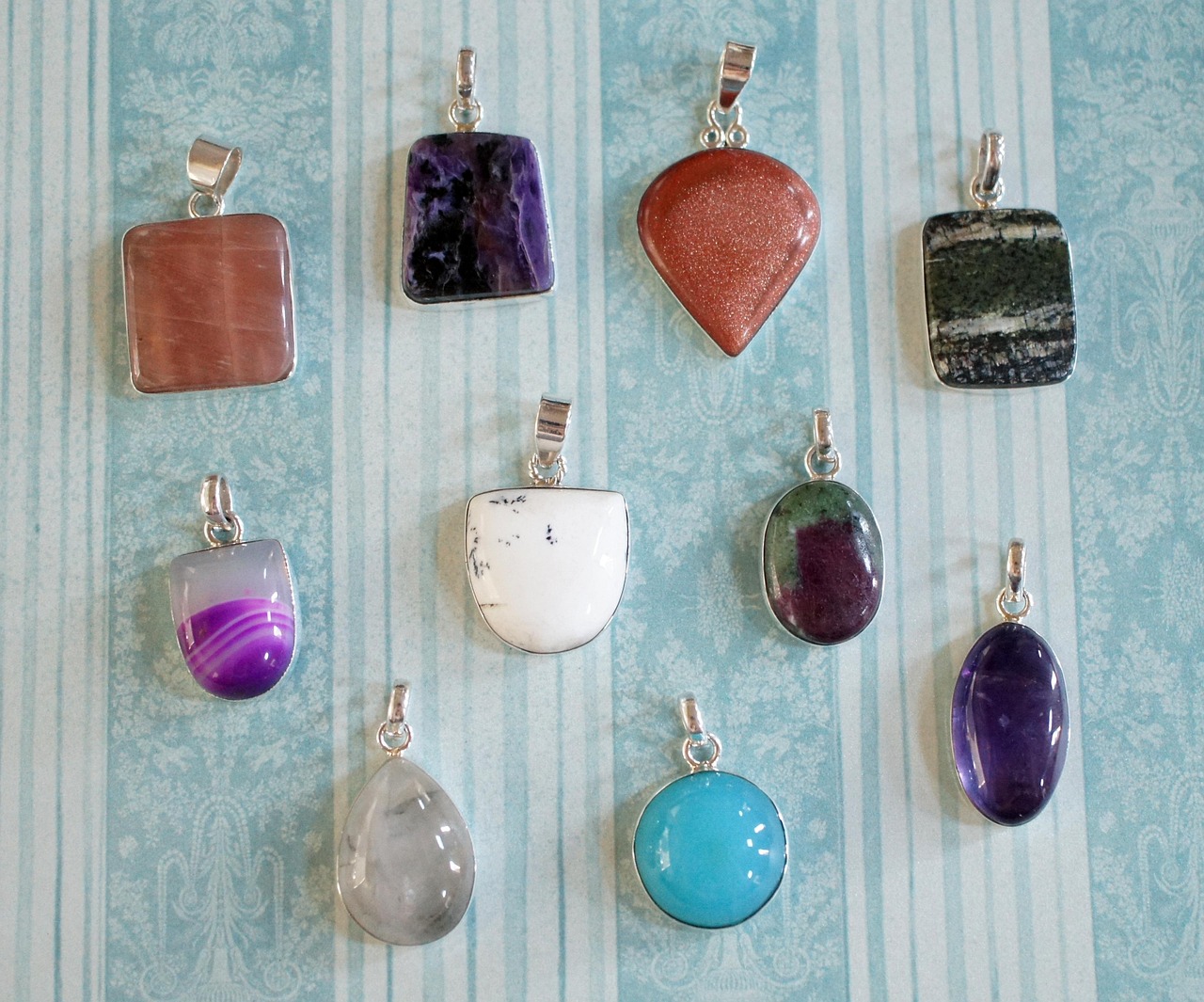
If you've spent any time rockhounding, you've probably picked up a rock, turned it over in your hand, and thought: is this agate, jasper, or chert? They look similar, they feel similar, and they often show up in the same places. The confusion is real, but the differences are learnable, and once you can tell them apart, your collecting gets a lot more intentional.
All three are varieties of microcrystalline quartz, which means they're made of the same basic material but with different structures and impurities. That shared origin is why they look alike. The differences come down to translucency, color, and how the material formed.
Agate: Translucent and Banded
Agate is the easiest of the three to identify once you know what to look for. It's translucent, meaning light passes through it, especially at the edges. Hold a suspected agate up to the sun or shine a flashlight through it. If you can see a glow through the stone, you're probably holding agate. Agates often show banding, concentric rings, or patterns that formed as silica deposited in layers inside a cavity.
Agates can be almost any color, but the classic look is a pale, milky stone with darker bands. They're usually smooth and waxy feeling. On a trail, agates stand out in gravel because they have a distinctive glow when wet or when the sun hits them at the right angle. Creek beds and gravel bars are prime agate territory.
Jasper: Opaque and Colorful
Jasper is the opposite of agate in one key way: it's opaque. Light doesn't pass through it. Jasper comes in a wide range of colors, including red, yellow, green, brown, and even blue, and it often has a solid, uniform appearance. Some jasper shows patterns, but they tend to be more diffuse than agate banding.
The color in jasper comes from impurities, usually iron oxides and other minerals. Red jasper, for example, gets its color from iron. Jasper is tough and takes a good polish, which is why it's a favorite for tumbling. On the trail, look for stones that are vividly colored, opaque, and have a smooth, slightly waxy surface.
Chert: The Plain Cousin
Chert is the most common and least glamorous of the three. It's also microcrystalline quartz, but it tends to be duller, more opaque, and often gray, white, tan, or black. Chert is the material that ancient people used to make tools because it fractures with sharp edges. If you find a rock that looks like a plain, fine-grained stone with a slightly chalky or dull surface, it's probably chert.
Chert is often found in limestone formations, sometimes as nodules or lenses. It's not as exciting as agate or jasper, but it's worth recognizing because it tells you about the geology around you. Where there's chert, there's often limestone, and where there's limestone, there are sometimes fossils and geodes.
The honest truth is that the boundaries between these three can blur. Some stones are transitional, and even experienced rockhounds sometimes disagree. That's part of the fun. Take photos, compare your finds, and don't worry too much about getting the label exactly right. The more rocks you handle, the more your eye learns. Identification is a skill built by repetition, not by memorizing definitions.