Five Easy Day Hikes for Rockhounding in Volcanic Terrain
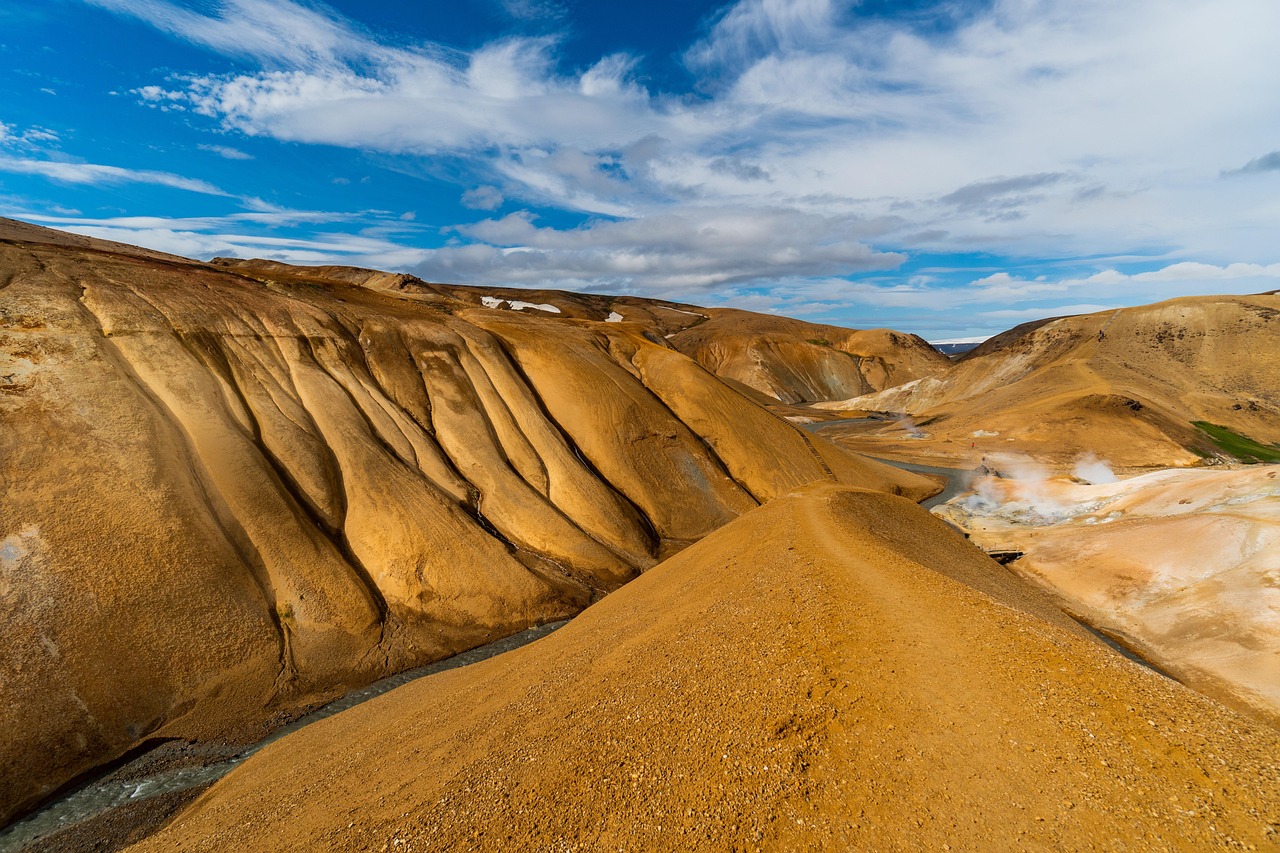
Volcanic terrain is a rockhound's playground. Ancient lava flows, ash beds, and hydrothermal veins create the conditions for agates, jaspers, obsidian, perlite, and sometimes more exotic minerals. The good news is that you don't need a serious expedition to find them. Plenty of day hikes cross volcanic landscapes where collecting is allowed and the geology is right under your boots.
This isn't a list of specific trails, because access rules and conditions change. Instead, it's a guide to the kinds of hikes that tend to be productive in volcanic country, so you can find good spots near you or on your next road trip.
Hike Types Worth Seeking Out
First, look for dry washes and arroyos cutting through volcanic tuff or basalt. These seasonal drainages act like conveyor belts, moving stones downhill and concentrating them in gravel beds. In the desert Southwest and the Pacific Northwest, washes near ancient calderas or lava fields are classic agate and jasper territory. Walk slowly, scan the gravel, and check the strand lines left by past floods.
Second, try cinder cone trails. Cinder cones are built from loose volcanic fragments, and the slopes often shed material that includes interesting minerals. The hiking can be loose and dusty, but the views are usually worth it, and the ground is easy to scan. Look for larger chunks that have rolled downhill and settled at the base of the cone.
Third, seek out old logging roads and jeep trails that cut through volcanic bedrock. Road cuts expose fresh rock and often leave a shoulder full of loose material. These are some of the easiest places to find specimens because the rock has already been broken up for you. Just be mindful of traffic and don't block access.
Fourth, consider beach hikes along volcanic coastlines. Wave action polishes stones and concentrates heavier minerals in the gravel. Basalt beaches in places like the Pacific Northwest and Hawaii can turn up agates, jasper, and even small pieces of obsidian. Always check local rules, as some coastal areas are protected.
Fifth, look for hikes near hot springs and geothermal areas. Hydrothermal activity alters rock and can create colorful mineral deposits, including opalized material and silica veins. Stay on designated trails and respect closures; geothermal areas are fragile and sometimes dangerous.
What to Bring and How to Plan
Volcanic terrain can be rough on gear and feet. Wear sturdy boots with good ankle support, and bring more water than you think you need, especially in desert areas. Sun protection is essential because volcanic rock reflects heat and light. A lightweight long-sleeve shirt and a wide-brim hat make a big difference.
Check land status before you go. Many volcanic areas are on national forest or BLM land where casual collecting is allowed, but some are within national monuments or wilderness areas with stricter rules. A quick call to the local ranger district can save you a lot of guesswork. Ask about current conditions, closures, and any collecting limits.
Finally, go with curiosity rather than a checklist. Volcanic landscapes are unpredictable, and the best find is often the one you didn't expect. Take your time, enjoy the geology, and let the trail surprise you.